

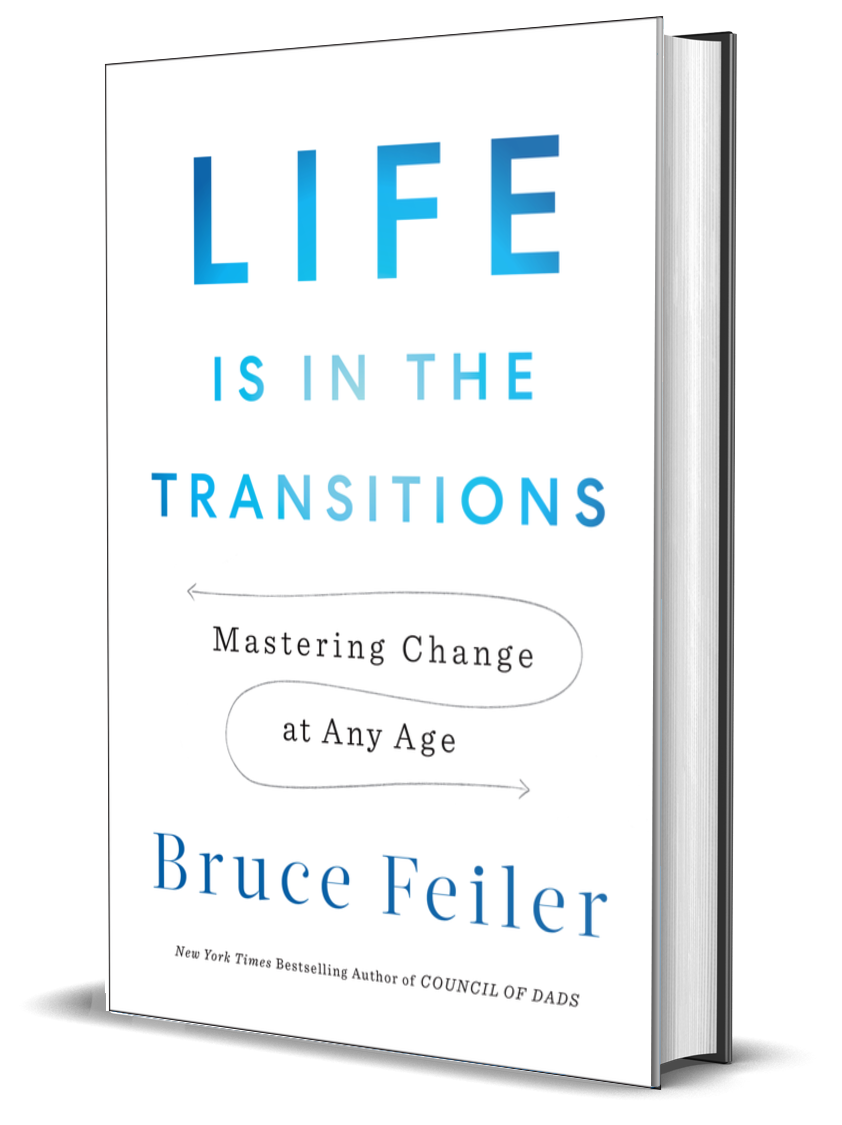
What books are you reading to sharpen your skills, learn a new one, or to spark different ways of thinking? One of my recent reads has been Life Is in the Transitions by Bruce Feiler. The reason I initially chose this book was to gather some new research, insights, and powerful quotes that include elements of change and transition to reference in my workshops. The great unintended bonus was that this book has so much relevance to life, not just to transitions within work and business.
How Stories Connect People
The author talks about the power of stories, which I agree with on the deepest of levels. My entire career has circled around the power of stories. When I was a correctional officer, stories were a part of the relationship and trust building process. Lived experience through story was also how many inmates talked about their lives and what brought them into the correctional system. I also used stories in the group work and counselling that I did in the various programs.
Fast forward to my career as a mediator. Stories were a foundation in creating psychologically safe meeting environments and a way to talk about tough issues. They can serve as an approach that helps provide examples and meaning without assigning blame and judgement. Stories helped the mediation clients understand each other better. Today, stories are woven through every single presentation, training, and keynote I deliver.
How We Perceive Our Stories & Transitions
In the book, the author asks early on an important question about looking back over your life story in a slightly different way: What shape embodies your life?
I have never thought of life stories as a shape. It took a while for me to get my brain thinking differently about life stories as the first images that came up were timelines, rules, and lists… Not really a shape. The question intrigued and challenged me at the same time. My brain next went to basic shapes such as a circle or rectangle; however, none of these shapes really resonated with me.
Then I wondered if I was limiting my thinking… What if my shape was that of a snowflake? As kids, we used to make snowflakes in school by folding the paper and cutting out our little shapes. Every snowflake was different. When you unfolded the snowflake, it was unique.

When I think of life as a snowflake, it also occurred to me that the cutout parts were perhaps those blips in time that were big and significant, but time-limited (my 2018 cancer diagnosis, the loss of loved ones and friends, or some moves we made to live in other parts of Canada). The event is still part of the life story (it formed the final shape), but those moments perhaps represented all the transitions along with the event.
Let me ask you the same question that Bruce Feiler asks in his book… Looking back over your life story in a slightly different way, what shape embodies your life?